
A CHANGE OF DIRECTION: TRANSFORMING EUROPEAN PRISONS THROUGH HUMAN CONNECTION
.
Written by: Tamara Höfer.
When we think of prisons, the immediate image that often comes to mind is one of isolation, punishment, and despair. Yet, within the walls of detention facilities, there is also a story of transformation, hope, and new beginnings. A story that is being shaped and led by the dedicated efforts of prison staff, social workers, psychologists, educators, and many others who work tirelessly to support the (re)integration of incarcerated individuals back into society. This story is central to the mission of RICHTUNGSWECHSEL[3], a non-profit association committed to revolutionising European prison systems through vocational training, knowledge exchange, and advocacy for justice staff and the RESCALED movement.[4]
The Unseen Heroes of Rehabilitation
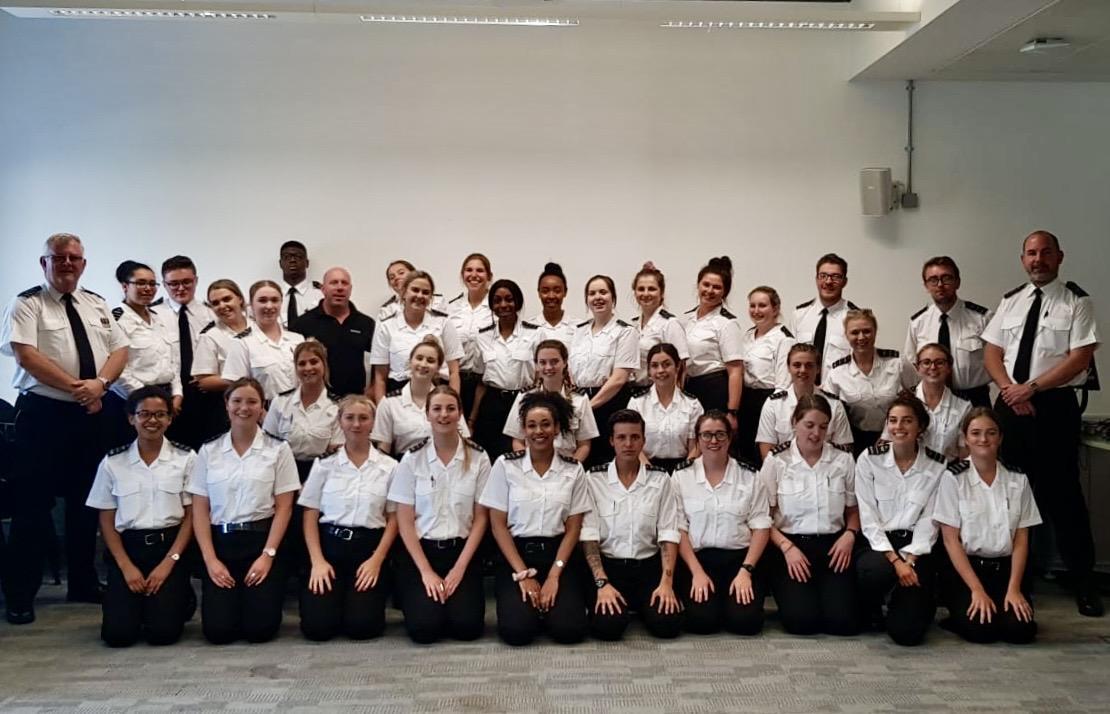
Prison officers, together with social workers, psychologists, teachers, chaplains, and other essential staff, are at the frontline of this transformative work. These professionals interact daily with incarcerated individuals, holding the potential to significantly impact their journey toward (re-)integration. International research has consistently shown that engaged and professionally supported contact with prison officers can strengthen the bridge between incarcerated individuals and society, fostering their successful reintegration.
“When officers use their authority well, legitimately, and carefully, every outcome in a prison improves: reduced suicide attempts, conflicts, incidents of violence, political tensions, and even the future prospects of prisoners.” – Prof. Alison Liebling1
However, despite the critical importance of their work, it is the same professionals, who face a lack of societal recognition, severe staff shortages, and the challenges of overcrowded prisons. These issues contribute to a personnel crisis that many prison systems across Europe and the world are currently grappling with.
RICHTUNGSWECHSEL: Advocating for Social Responsibility
RICHTUNGSWECHSEL[3] is not just a name; it stands for a new direction in how society views and manages incarceration. The association is deeply committed to promoting (re-)integration through public outreach and multidisciplinary collaboration. Our goal is to raise awareness across society about the importance of reintegration and the crucial work being done by prison staff.
One of the most fulfilling achievements in my career has been the establishment and growth of RICHTUNGSWECHSEL[3]. As the CEO, I have successfully managed EU projects that focus on the recruitment and training of prison staff, while also expanding our international and national networks. Our work is driven by the belief that systemic change is possible when we empower the people at the heart of the system—prison staff and incarcerated individuals alike.
My journey into this field was not typical. I began as a Prison Officer through the Unlocked Graduates Leadership Programme[2], where I worked as a frontline officer building meaningful working relationships and using relational security to drive forward the safety of staff and incarcerated individuals alike. This experience, along with my academic background in Security & Crime Science and Leadership in Custodial Environments, provided me with a unique perspective on the challenges and opportunities within the prison system. It also fueled my passion for social reform and my commitment to making a difference in society by enhancing the effectiveness and humanity of the criminal justice system.
The Transformative Power of Trust
Let me share a story that perfectly encapsulates the potential for transformation within the prison walls. It’s the story of Jack [name changed], a formerly incarcerated man, who struggled with long-term imprisonment, estrangement from his family, and deteriorating mental health. Jack’s life changed when he began to trust a prison officer on his wing—a relationship that gradually led to rebuilding his broken connections with his family.
This officer went beyond his official duties to help Jack apply for visits, maintain his prison job, and even joined family visits, getting to know Jack’s loved ones. Over time, Jack’s confidence grew, and he was able to rebuild the relationship with his family. Today, Jack recruits and trains prison officers, helping them understand the profound impact they can have on the lives of those they supervise. To this day, Jack says that this officer saved his life.
This story is just one example of the many ways in which effective prison officers can change lives. They are not just custodians of security; they are agents of rehabilitation.
“A prison officer is integral to anyone’s prison experience. If you ask anyone who’s served time or is serving time, they’ll tell you that a good officer can make all the difference. A bad officer can make all the difference. So, it’s intrinsic, really, to how someone does when they’re going through their sentence.” – Femi, formerly incarcerated individual, Unlocked Graduates;[2]

Building a New Culture: Change on Four Levels
To create lasting change within the prison system, we need to work on multiple levels[2]:
- Individual Level: Building trusting relationships with incarcerated individuals and staff. For example, supporting colleagues in realising their potential or creating programmes that encourage positive engagement, such as family days or educational workshops.
- Establishment Level: Setting an example through seemingly small acts that have a big impact. Whether it’s de-escalating a potentially dangerous situation or showing kindness to an incarcerated person’s family, these actions contribute to a positive and rehabilitative culture.
- Systemic Level: Driving a shift through a bottom-up approach, like the Unlocked Graduates Programme, which empowers prison officers to dedicate their work to rehabilitation. This creates a new generation of leaders who influence different parts of the system, from policy-making to daily operations.
- Societal Level: Raising public awareness of what it means to be a good prison officer and bridging the gap between prisons and the wider community. By attracting change-makers to the frontline, we can foster a culture that prioritises rehabilitation over punishment.

The Need for Systemic Change
The global staffing crisis in prisons, combined with overcrowding, presents significant barriers to achieving meaningful outcomes in rehabilitation. Without adequate funding for capacity-building, systems change, and mindset shift activities, initiatives aimed at improving prisons struggle to gain traction. Yet, we cannot afford to ignore the urgent need for reform.
I am deeply committed to addressing these challenges. My work with RICHTUNGSWECHSEL[3] and other organisations, including the United Nations Office on Drugs and Crime (UNODC), has shown me that holistic solutions—those that address root causes of recidivism and promote societal awareness—are essential for creating lasting change.
Through collaboration with experts and practitioners, we aim to drive transformative reform within the criminal justice system. By advocating for an individualised approach and engaging in community organising, we are committed to creating a system shift that prioritises rehabilitation and social integration. This is not just about changing the prison system; it’s about benefiting society as a whole.

A Call to Action
Now, more than ever, we need to change the narrative around prisons and rehabilitation. We need to attract and empower change-makers who are willing to make an impact on the frontline. We must create opportunities for systemic change by fostering dialogue between all those affected by the criminal justice system—from incarcerated individuals and their families to prison staff and the wider community. We have to community organise to build a strong, collective voice that advocates for systemic reform beyond prison walls.
The time for change is now. By working together, we can create a more humane and effective criminal justice system that truly leaves no one behind.
References:
- Liebling, A. (2011). Distinctions and distinctiveness in the work of prison officers: Legitimacy and authority revisited. European Journal of Criminology, 8(6), 484-499. https://doi.org/10.1177/1477370811413807.
- Unlocked Graduates. (2024). Unlocked Graduates Official Website. Retrieved from https://www.unlockedgrads.org.uk
- Richtungswechsel. (2024). Richtungswechsel Official Website. Retrieved from https://www.richtungswechsel.or.at
- RESCALED. (2024). RESCALED movement. Retrieved from https://www.rescaled.org
About the Author
Tamara Höfer; MSc BSc (Hons)
CEO of RICHTUNGSWECHSEL,
Criminal Justice Reform Advocate




[…] RESHAPE BLOG […]