


EMBRACING JUSTICE
.
Escrito por: Mthetheleli Ngxeke
Nurturing Healing and Sustainable Support for Individuals Re-entering Society
In a world that often focuses on judgment and punishment, the concept of second chances emerges as a beacon of hope, inviting us to reconsider the narratives surrounding formerly incarcerated individuals. This article delves into the interconnected themes of justice, love within organizations, the critical role of healing for individuals emerging from prisons, and the necessity of long-term funding dedicated to facilitating lasting change.
Joining the Incarceration Nations Network
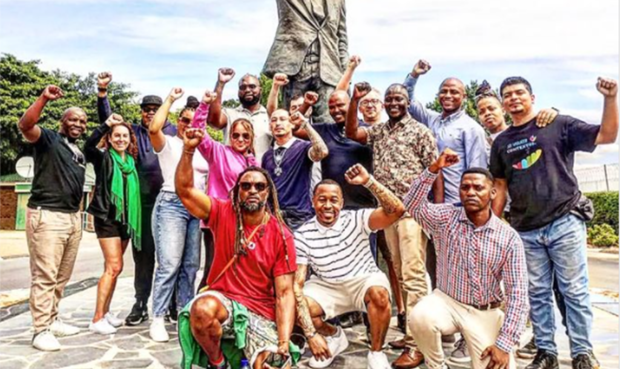
In 2022, I became a global team member of the Incarceration Nations Network. This, for me, was a big responsibility and a step that was both humbling and scary at the same time. This opportunity arose when Dr. Baz Dreisinger visited the prison I was in at the time. It was a brief encounter and little did I know that it would lead to the birth of a South African Project Coordinator and INN South African team leader. Dr. Baz demonstrated patience and a willingness to help individuals even when their circumstances were unclear. She embodies the belief that “Man will become better when you show him what he is like” (Anton Chekhov, 1860-1904). This enlightened me to the notion that genuine justice manifests as compassion towards the destitute, whose voices are often silenced and overlooked. Mandela eloquently stated, “No one truly knows a nation until one has been inside its jails. A nation should not be judged by how it treats its highest citizens, but by its lowest ones.”
Healing: A Cornerstone of Re-entry
For individuals re-entering society after incarceration, the journey towards healing is indispensable. Incarceration often leaves behind emotional scars and systematic barriers that impede successful reintegration. Comprehensive re-entry programs must prioritize healing initiatives that address trauma, foster self-discovery, and provide avenues for personal growth. By investing in holistic healing modalities, we empower individuals to reclaim their identities, rebuild their lives, and contribute meaningfully to their communities. There are two vital qualities that formerly incarcerated individuals need in order to make sure that their re-entry into society is successful, namely patience and willingness. Patience is essential because individuals re-entering society after incarceration may require time to adjust to their new circumstances. Developing patience helps manage challenges and maintain a positive, forward-looking mindset during this process. Willingness is equally important as it demonstrates a genuine commitment to assisting individuals in their reintegration process. It involves being open-minded, flexible, and proactive in addressing the needs and concerns of those coming out of prison. It entails actively seeking solutions, providing support, and advocating for resources and opportunities that facilitate successful re-entry and reduce the risk of recidivism. Moreover, combining patience and willingness with empathy and understanding creates a supportive and non-judgmental environment for individuals transitioning from incarceration to freedom. It fosters trust, promotes positive relationships, and encourages individuals to seek help and engage in rehabilitation and reintegration efforts.
Justice beyond legal boundaries
While legal systems play a pivotal role in administering justice, true societal transformation necessitates a broader perspective. Justice transcends punitive measures; it embodies compassion, equity, and the restoration of dignity for all individuals, including those who have experienced incarceration. Organizational cultures must embody these principles, fostering environments where love and empathy are foundational values. By infusing compassion into the fabric of our institutions, we cultivate spaces where individuals feel seen, heard, and valued; which is a crucial step in the journey towards holistic justice.
The Power of Love within Organizations
Organizations committed to fostering justice must cultivate cultures of love and empathy. Love, in this context, represents a deep-rooted commitment to the well-being of individuals within and beyond the organization, acknowledging each person’s inherent worth. When love becomes a guiding principle, organizations become catalysts for transformation, nurturing environments where individuals can heal, grow, and thrive.
The Importance of Sustainable Funding
While short-term initiatives can yield immediate results, sustained progress requires long-term commitment and investment. Funding dedicated to re-entry programs must extend beyond temporary fixes, prioritizing initiatives that promote lasting change. Sustainable funding enables organizations to implement comprehensive support systems, including job training, mental health services, housing assistance, and educational opportunities. By allocating resources strategically and thoughtfully, we create pathways to success that endure beyond initial interventions.
Conclusion
In our collective pursuit of justice, we must embrace a multifaceted approach that prioritizes love, healing, and sustainable support. By infusing organizations with love, we cultivate environments where justice flourishes and individuals can navigate the complexities of post-incarceration life with resilience and hope. Moreover, sustainable funding ensures that essential resources remain available for those embarking on the journey toward reintegration. As we continue to advocate for justice in all its forms, let us remain steadfast in our commitment to fostering inclusive, supportive communities where every individual has the opportunity to flourish.


Mthetheleli Ngxeke,
Incarceration Nations Network
Team Leader, South Africa
Coordinator, Global Freedom Fellowship
Incarceration Nations Network